MedTech: Engineering Metrics in a Regulated Environment

MedTech software development operates under a level of regulatory scrutiny that most industries never experience. FDA 21 CFR Part 11, IEC 62304, HIPAA, MDR in Europe — these aren't guidelines you can selectively follow. They're legally binding requirements where non-compliance can result in product recalls, criminal liability, and patients being harmed. The FDA's Software Validation Guidelines emphasize that software used in medical devices must be developed under documented, repeatable processes with full traceability.
For MedTech CTOs, the challenge is building software that saves lives while satisfying regulators that your process is rigorous enough to trust. Engineering metrics make this possible without turning your development process into a bureaucratic standstill.
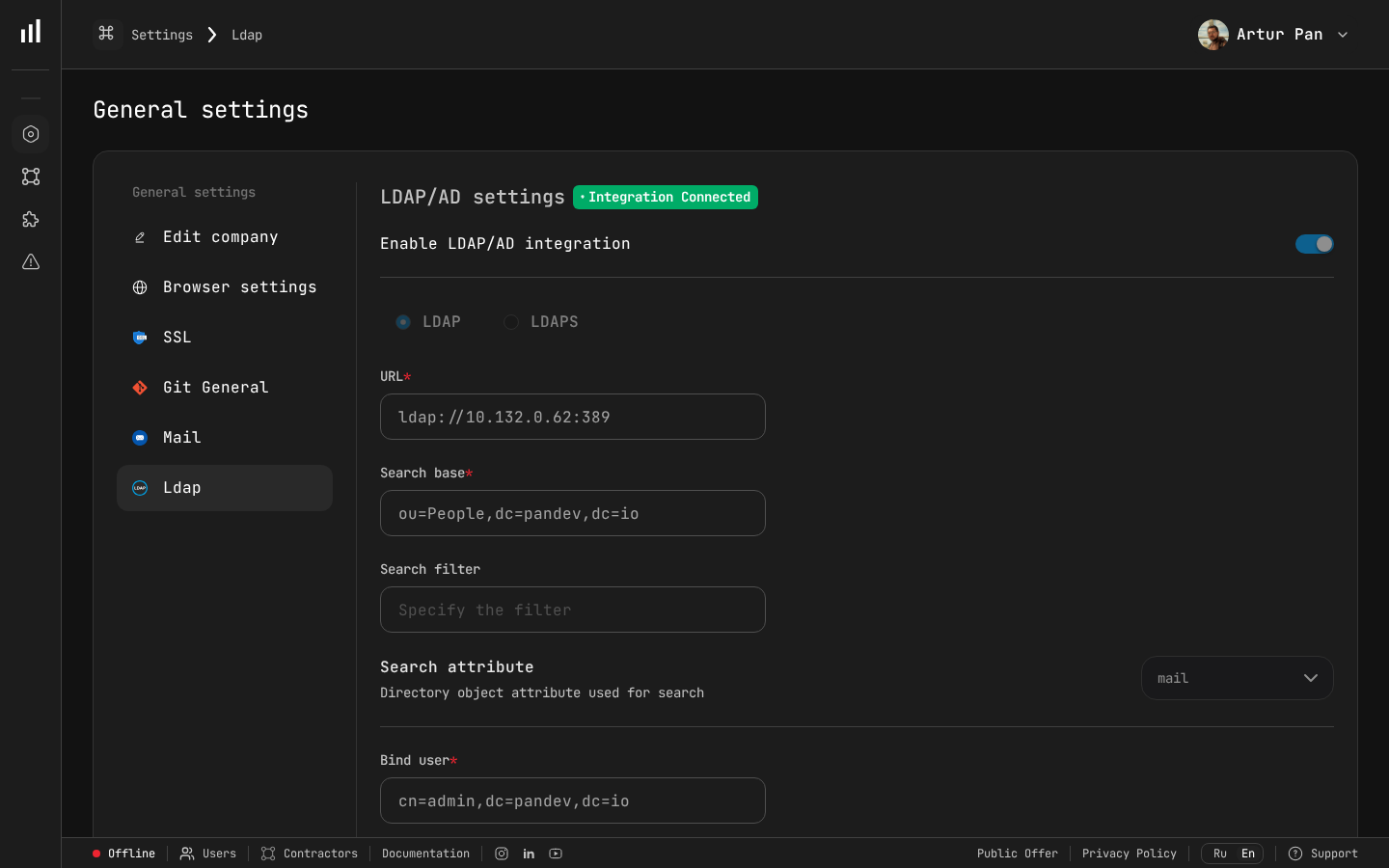
LDAP/AD integration with enterprise security — critical for healthcare compliance.
The Regulatory Landscape for MedTech Software
Before diving into metrics, let's establish what MedTech engineering teams are actually dealing with:
IEC 62304: Software Life Cycle Processes
IEC 62304 is the international standard for medical device software development. It requires:
- Documented software development plans with defined processes
- Risk management integrated throughout the development lifecycle
- Traceability from requirements to implementation to testing
- Configuration management with version control and change tracking
- Verification and validation at each lifecycle stage
The standard classifies software by safety level (Class A, B, or C), with increasing rigor requirements for higher-risk software.
FDA 21 CFR Part 11: Electronic Records
For MedTech companies operating in the US:
- Audit trails for all electronic records used in development
- Access controls ensuring only authorized personnel can make changes
- Electronic signatures that are legally binding
- System validation demonstrating that tools used in development are fit for purpose
HIPAA: Protected Health Information
If your software touches patient data (and under HIPAA, the definition is broad — covering ~18 categories of identifiers):
- Technical safeguards protecting data in development and testing environments
- Access controls limiting who can see patient data
- Audit logs tracking all access to protected health information
- Breach notification requirements with defined timelines (60 days for breaches affecting 500+ individuals)
MDR/IVDR (European Union)
The EU Medical Device Regulation adds:
- Post-market surveillance requirements that extend into software maintenance
- Clinical evaluation integration with development processes
- Unique Device Identification affecting configuration management
Why Traditional Metrics Fall Short in MedTech
Most engineering metrics frameworks were designed for SaaS companies that deploy continuously and iterate rapidly. MedTech is fundamentally different:
Deployment is not continuous. Medical device software goes through formal release processes, regulatory submissions, and sometimes clinical validation before reaching users. "Deploy 10 times a day" isn't just impractical — it's potentially illegal for certain device classes.
Speed is not the primary goal. While efficiency matters, the primary objective is producing software that is safe, effective, and compliant. Metrics that optimize for speed at the expense of rigor are counterproductive.
Every change has regulatory implications. A "minor bug fix" in a SaaS product is a routine deployment. In MedTech, the same fix might trigger a risk assessment, design review, and regulatory filing.
Traceability is mandatory, not optional. Standard DORA metrics don't capture whether requirements are traceable to tests, whether risk assessments are current, or whether change control procedures were followed.
The MedTech Engineering Metrics Framework
1. Controlled Deployment Frequency
In MedTech, deployment frequency means something different. Track it at two levels:
Internal build frequency: How often the team produces testable builds for internal verification and validation. This should be high — daily or multiple times daily. Frequent internal builds enable early testing and fast feedback loops.
Formal release frequency: How often you submit new versions through your regulatory release process. This will be lower and is driven by your regulatory strategy, not engineering capability.
The gap between these two numbers tells you something important. If internal builds happen daily but formal releases happen quarterly, your regulatory process might be a bottleneck. If internal builds are also infrequent, the problem is in your development process.
PanDev Metrics tracks build and deployment activity across your Git platforms, letting you see both levels clearly.
2. Lead Time With Regulatory Gates
MedTech lead time includes gates that don't exist in other industries:
- Development — coding, unit testing, code review
- Risk assessment — does this change affect the risk profile?
- Design review — formal review of the change against design requirements
- Verification — does the software meet its specifications?
- Validation — does the software meet user needs in the intended environment?
- Regulatory review — does the change require a filing or notification?
Measure time spent at each gate. If design reviews take 2 weeks because reviewers are overloaded, that's actionable. If regulatory review takes 3 weeks because submissions are complex, that might be inherent to the process — or it might indicate that your regulatory team needs better tooling.
3. Change Control Compliance Rate
Every change to medical device software should go through your change control process. Track:
- Percentage of changes with complete documentation: Requirements traceability, risk assessment, test coverage
- Percentage of changes with proper approvals: The right people reviewed and approved
- Percentage of changes with verification evidence: Tests were executed and results documented
A compliance rate below 100% for released software is a regulatory finding waiting to happen. For internal builds, it might be acceptable during early development, but should approach 100% as you near release.
4. Defect Metrics With Safety Classification
Not all bugs are equal in MedTech. Track defects by safety impact:
- Safety-critical defects: Could lead to patient harm
- Safety-relevant defects: Affect safety mitigations or controls
- Non-safety defects: Functional issues without safety implications
Metrics to track:
- Defect discovery rate by phase (earlier is better)
- Defect resolution time by safety classification (safety-critical defects should be resolved fastest)
- Defect escape rate — defects found after formal release (this should trend toward zero for safety-critical defects)
5. Development Activity and Traceability
PanDev Metrics' IDE heartbeat tracking provides activity data that supports regulatory requirements:
- Activity distribution showing time spent on development, testing, documentation, and review — supporting resource allocation evidence
- Focus Time metrics helping you optimize developer productivity within regulatory constraints
- Project-level activity showing which software components are actively being worked on
This data, combined with Git activity from your repository platform, creates a comprehensive picture of development activity that supports IEC 62304 lifecycle process documentation.
Practical Implementation for MedTech Teams
Infrastructure Requirements
MedTech companies handling patient data or developing regulated software need:
- On-premise deployment: PanDev Metrics supports full on-premise installation, keeping all engineering data within your validated infrastructure
- Access controls: LDAP/SSO integration ensures that metrics access aligns with your access control policies
- Audit trails: All tool access and data views are logged, supporting 21 CFR Part 11 requirements
- Validation: The tool should be validated as part of your computer system validation program
Connecting to Your Development Stack
PanDev Metrics integrates with the platforms commonly used in MedTech:
- Git platforms: GitLab (particularly popular in regulated industries for its built-in compliance features), GitHub, Bitbucket, Azure DevOps
- Project tracking: Jira (widely used in MedTech for traceability), ClickUp
- IDEs: 10+ plugins covering all major development environments
Team Structure Considerations
MedTech teams often include roles not found in typical software companies:
- Regulatory affairs specialists who need visibility into development progress
- Quality assurance engineers (distinct from QA testers) who need process compliance data
- Clinical specialists who need to understand software changes in clinical context
- Risk management professionals who need to assess every change
PanDev Metrics' multi-tenancy and role-based access ensure each role sees the data relevant to their function without being overwhelmed by engineering details.
Balancing Rigor and Velocity
The common misconception in MedTech is that regulatory compliance necessarily means slow development. Engineering metrics challenge this by making inefficiency visible:
Finding Process Waste
When you measure lead time by phase, you often discover that:
- Actual development time is a small fraction of total lead time
- Waiting time (for reviews, approvals, environment access) dominates
- Rework from late-stage findings could be prevented with earlier reviews
This data helps you streamline processes without reducing rigor. The goal isn't to skip steps — it's to execute them efficiently.
Automating Where Possible
Metrics reveal which manual processes are candidates for automation:
- If code review takes 3 days but the actual review takes 2 hours, the problem is queue time — automate review assignments and reminders
- If verification testing is manual and takes weeks, invest in test automation for regression testing
- If documentation is always the last step and always delays release, integrate documentation requirements into the development workflow
Right-Sizing Rigor by Risk Level
IEC 62304 intentionally defines different rigor levels for different safety classes. Use engineering metrics to verify that you're applying the right level:
- Class C (highest risk): Full documentation, formal reviews, comprehensive testing — metrics should show thorough coverage
- Class B (medium risk): Documented processes with appropriate review — metrics should show consistent compliance
- Class A (lowest risk): Basic documentation — metrics should show the process is followed but overhead is minimized
If your Class A software is going through the same rigorous process as your Class C software, you're spending engineering time on unnecessary overhead.
Regulatory Audit Preparation
Engineering metrics transform audit preparation from a months-long scramble to a routine activity:
For IEC 62304 audits:
- Development process documentation supported by activity data
- Configuration management evidence from Git platform metrics
- Verification and validation evidence linked to deployment data
- Lifecycle process compliance demonstrated through metrics trends
For FDA inspections:
- Audit trails from tool access logs
- Change control evidence from deployment and review metrics
- CAPA (Corrective and Preventive Action) effectiveness demonstrated through defect trend metrics
For ISO 13485 quality system audits:
- Process performance metrics demonstrating continuous improvement
- Resource allocation evidence from activity distribution data
- Management review data from metrics dashboards
The Cost of Non-Compliance
MedTech companies that fail to maintain adequate development documentation and process evidence face:
- FDA warning letters that can halt product distribution (the FDA issues ~hundreds of warning letters annually, many citing 21 CFR Part 11 failures)
- Product recalls requiring field corrections
- Criminal liability for responsible individuals in severe cases
- Loss of CE marking in Europe under the MDR, preventing EU sales
- Customer trust erosion that damages long-term business — in healthcare, trust is literally a matter of patient safety
Engineering metrics are not just a productivity tool in MedTech — they're a risk management strategy.
Getting Started
For MedTech CTOs looking to implement engineering metrics:
- Start with on-premise deployment — deploy PanDev Metrics within your validated infrastructure
- Connect your Git platform — this provides immediate visibility into deployment and change patterns
- Deploy IDE plugins — start collecting activity data for development effort visibility
- Map regulatory gates — identify each stage in your development process and measure time at each stage
- Establish baselines — collect 4-6 weeks of data before setting improvement targets
- Include quality and regulatory teams — share relevant metrics with QA, RA, and risk management stakeholders
- Integrate with your QMS — use metrics data to support quality management system requirements
The regulated environment doesn't have to mean slow development. It means rigorous development — and engineering metrics help you be rigorous and efficient at the same time.
Building medical device software? PanDev Metrics — on-premise engineering intelligence for regulated environments, with LDAP/SSO, audit trails, and compliance-ready reporting.